
Night Shifts, On‑Call, And Substance Risk In IT
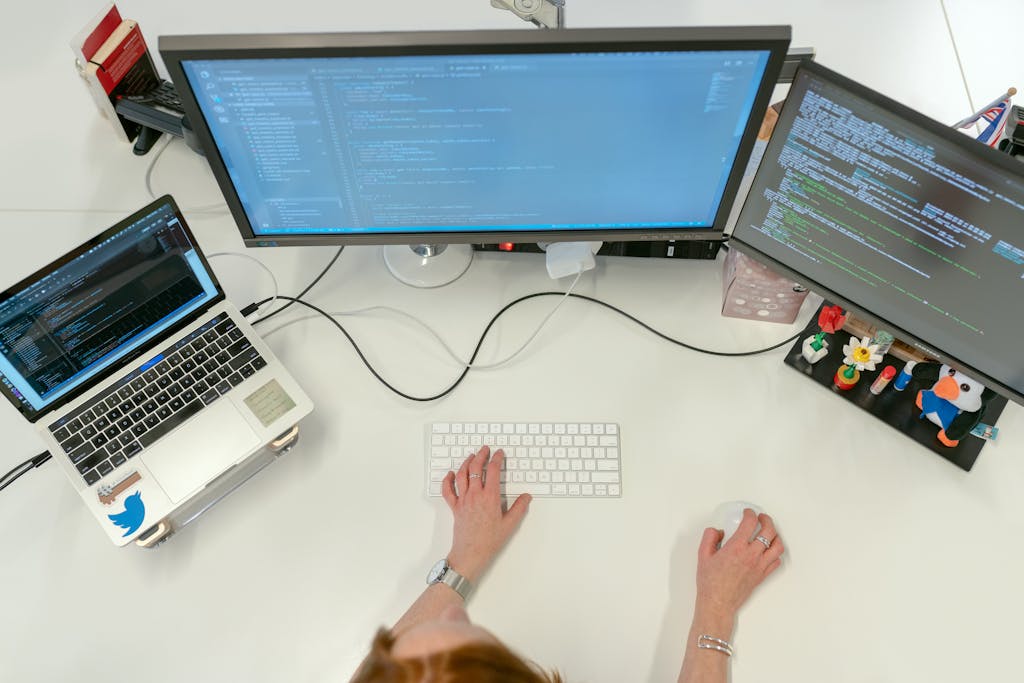
Night work doesn’t just move a calendar block; it scrambles the body’s orchestra—sleep, mood, appetite, impulse control—like a DJ scratching the wrong record at 3 a.m., and yes, that chaos nudges people toward “quick fixes” that are not fixes at all. I’ve seen brilliant engineers nail a gnarly incident and then stare at the ceiling for four hours, wired and tired, wondering why rest won’t show up when it’s begged for.

Why the pager changes everything
Being on call hijacks the nervous system even when the phone stays quiet, because the mind keeps one eye open and one hand on the ripcord. You try to relax but do not; your brain runs a silent drill, and downtime becomes “down-ish time,” which is neither restorative nor sustainable. That anticipation—more than the hours on paper—erodes recovery, and when recovery thins, substances start whispering solutions that come with invoice-sized side effects.
The slippery pact with shortcuts
Caffeine to push through the trough, nicotine to sharpen the edge, alcohol or a sedative to knock out after a 2 a.m. fire—familiar, right? These aren’t moral failings; they’re predictable bargains made under pressure by a sleep-deprived brain that wants relief now. The trouble is the rebound: stimulants fragment sleep, sedatives blunt deep sleep, alcohol trashes REM, and tomorrow’s you gets a little duller at 4:17 a.m., when precision matters most—read more and explore this resource for practical next steps..
What circadian misalignment really does
Think of the circadian system like the operating system for reward and restraint. When light hits at the wrong time, meals drift, and sleep arrives late and jagged, reward pathways get extra twitchy while braking systems lag behind. Cravings feel louder, patience feels thinner, and stress lands harder. If someone is in recovery, those night-to-day swings can poke at old fault lines; if someone is not, they can lay new ones.
A tiny tangent from this morning
This morning, just now, a friend texted after his red‑eye deployment: “Wiped. Brain feels sticky.” I laughed, then didn’t, because “sticky brain” might be the best two-word diagnosis for shift-lagged cognition I’ve ever heard. When thinking gets gluey, folks reach for solvents—espresso, vapes, a nightcap—and the cycle keeps spinning.
How teams can lower the temperature
We can build reliability without asking bodies to do the impossible. Start with light: bright, cool light during night work; sunlight (or a bright light box) after shift; darkness that is actually dark for sleep. Keep sleep windows consistent, even if they’re unconventional. Rotate forward instead of backward. Protect two real nights off after heavy on-call blocks—no “just one quick handoff” that eats the second evening and the sleep after it. Quiet hours should be real; if you’re not primary, you’re off, period.
Make incidents less punishing by design
Codify small rituals that downshift the nervous system. Two minutes of breath when the page hits—box breathing, if you like names—before touching the keyboard. After the incident, a brief hydration-and-notes routine to dump adrenaline and preserve memory. If it’s daytime when you emerge, touch daylight; if it’s bedtime, make it cave-dark and cool. Crush the alert noise: route non-severity pings to digest summaries; stop training everyone to flinch at every buzz.
Managers, here’s the hard part that is not actually hard
Ask about workload and recovery first, performance second. In one-on-ones, a simple “What part of last week stole your sleep?” opens doors that “How are you?” never will. Normalize swaps for those in recovery around volatile rotations, and write it down so accommodations aren’t favors but structure. If people know help won’t boomerang into stigma, they will use it. If they do not, they won’t—no matter how glossy the benefits page.
When substances have already crept in
If sleep, mood, or work is bending around use, earlier care is kinder and cheaper than waiting for the cliff, so get help now before the cycle digs in deeper. Outpatient and rehab paths can flex for shift workers; some pair sleep medicine with addiction treatment so circadian stability becomes part of recovery, not an afterthought. During those first fragile weeks, tinker the schedule toward consistency—same sleep window, gentle transitions, fewer violent flips from nights to days—so biology stops fighting the plan.
A small narrative detour
I once crashed on a conference room couch between alerts, hoodie over my eyes, laptop fan whirring like a white-noise machine from the dollar store. Woke up groggy, grabbed too much coffee, and still missed a silly config typo. Heroics are great in movies; in ops, they are just a tax with interest.
What to watch for without turning into hall monitors
Escalating caffeine that never resets. Needing alcohol to sleep more nights than not. Mood sliding toward irritability, or going flat. Withdrawing from the team after rotations. None of this proves anything, but it sketches a shape. The goal is not surveillance; it is support, sooner.
A quick cluster of practicals you can steal
Brighter light at night, darker sleep environment, cooler room, consistent wake time. Forward rotations, true recovery nights, real quiet hours. Alert thresholds that mean something, on-call roles that rotate cleanly, debriefs that end on time. Short breath breaks, brief daylight after nights, short naps not long ones. These are small levers; together, they move the culture.
A little bias and a wink
Engineers love to “optimize” everything except rest—guilty as charged—and yes, I think dark mode cured exactly zero incidents. But a team that treats recovery as an SLO tends to ship better and break less. We can say it’s about compassion; it is also about uptime.
Where this really lands
Substance risk in IT isn’t a character flaw; it’s a systems story with human consequences. When schedules respect the clock inside the skull, when leaders measure recovery as carefully as response time, and when help is easy to reach without shame, people get healthier and systems get sturdier. Find support, that is the way to go.