
India’s Wind Energy Revolution: Emerging as a Global Manufacturing Hub

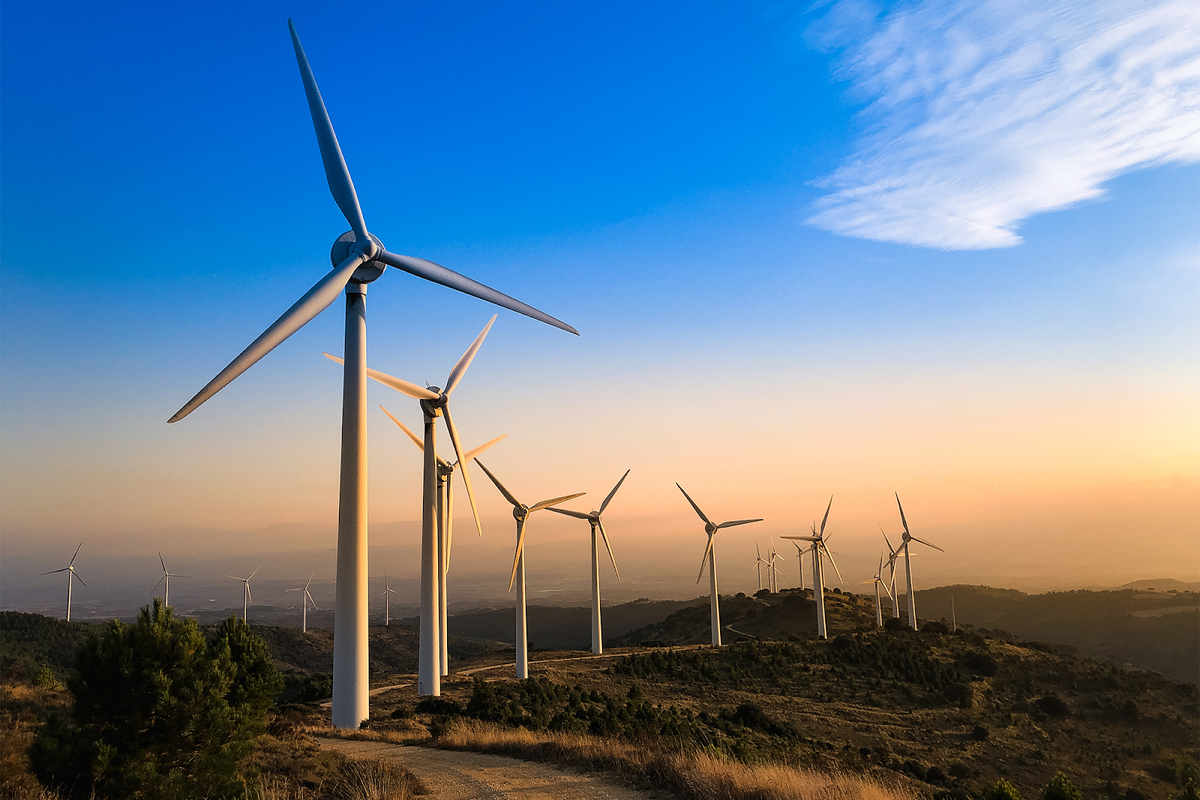
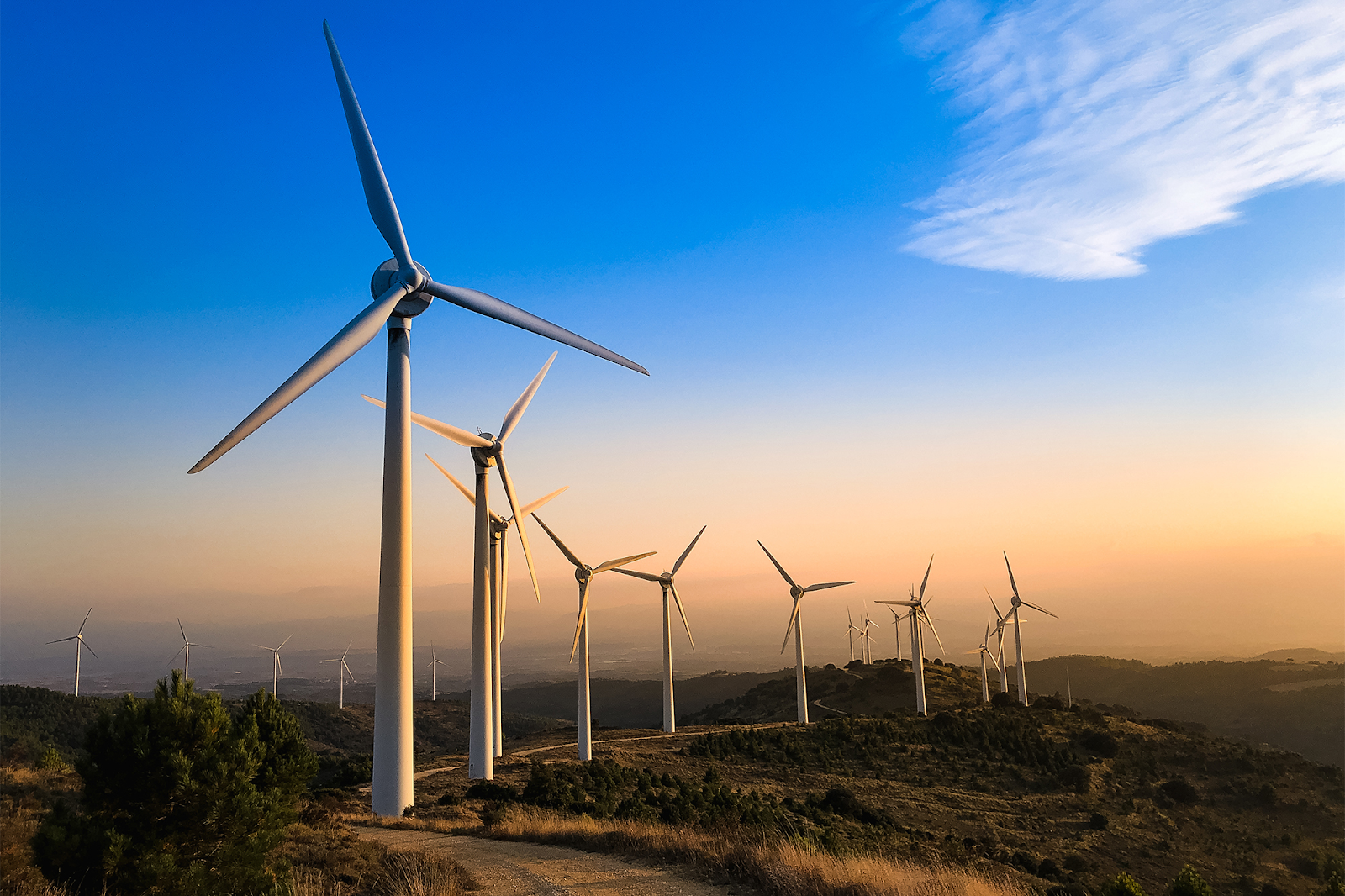
India is rapidly positioning itself as a powerhouse in the global renewable energy landscape. While solar power often dominates headlines, the wind sector has quietly built a robust ecosystem that rivals the world’s best. With the fourth-largest installed wind capacity globally, India is not just consuming green energy - it is actively manufacturing the technology to produce it.
A combination of aggressive government targets, policy interventions, and the entry of major domestic players drives the transition. As the world seeks to decarbonize, India’s ability to manufacture and deploy advanced wind technology at scale is critical. This surge in capacity is not merely about meeting domestic energy needs; it represents a strategic shift towards becoming a global export hub for wind turbine components and technology.
Current Wind Energy Landscape in India
India’s wind energy sector has seen consistent growth over the past decade. As of recent estimates, the country has achieved a total installed wind capacity of 54 GW. This places India fourth in the world, trailing only China, the US, and Germany. The scale of this achievement is substantial, given the logistical and technical challenges of large-scale wind deployment.
The manufacturing ecosystem supporting this capacity is equally impressive. India currently has an annual domestic wind turbine production capacity of approximately 18 GW. This domestic capability ensures that a significant portion of the value chain - from blades to nacelles - remains within the country, reducing reliance on imports and strengthening energy security.
One of the leading renewable energy companies like Avaada is playing a role in this broader ecosystem by integrating sustainable practices and contributing to the nation's renewable energy mix.
Government Policies Driving Growth
The Indian government has recognized the strategic importance of wind energy and has implemented several policies to accelerate growth. The Ministry of New and Renewable Energy (MNRE) has been pivotal in creating a favorable environment for manufacturers and developers.
Revised List of Models and Manufacturers (RLMM)
To boost domestic manufacturing, the MNRE proposed revisions to the RLMM. These changes mandate greater transparency regarding the sourcing of key components. Manufacturers are now required to disclose the origins of critical parts, such as:
- Blades
- Towers
- Gearboxes
- Generators
This policy aims to increase the indigenization of wind turbine manufacturing. By tracking the supply chain, the government ensures that "Made in India" truly reflects local value addition.
Incentives for Hybrid Projects
A major shift in policy focus has been the promotion of hybrid renewable energy projects. Standalone wind or solar projects often face challenges related to intermittency. Hybrid projects, which combine solar and wind (often with storage), offer a solution by providing Firm and Dispatchable Renewable Energy (FDRE).
The government’s push for auctions in this segment is expected to drive demand. According to industry reports, India’s annual wind capacity addition is projected to more than double to 7.1 GW on average over the next two fiscal years, largely driven by these hybrid tenders.
Technological Advancements in Wind Turbines
The technology powering India’s wind sector has evolved significantly. The days of small, low-capacity turbines are over. Today, Indian manufacturers are producing turbines with capacities ranging from 225 kW to 5.2 MW.
Larger, More Efficient Turbines
The shift towards higher-capacity turbines allows for greater energy generation per unit of land. Newer models feature larger rotor diameters and taller hub heights, enabling them to capture wind energy more efficiently, even at sites with lower wind speeds.
Domestic Manufacturing Capabilities
India has achieved an indigenization level of 70-80% in wind turbine manufacturing. This high level of localization keeps costs competitive globally. Major components are now manufactured domestically, in accordance with international standards such as IEC and ISO. This technical maturity enables Indian companies not only to serve the domestic market but also to export components to international markets.
Key Players and Private Sector Contributions
India's wind energy growth is propelled by a dynamic mix of established manufacturers and emerging developers collaborating across the value chain. Renewable energy companies have scaled production to meet domestic and export demands, achieving 70-80% localization while adhering to global standards. These companies invest heavily in R&D for site-specific turbine designs optimized for India's diverse wind regimes, from low-wind coastal areas to high-altitude sites.
Private-sector innovation drives hybrid wind-solar integration and digitalization via SCADA systems for real-time performance optimization. EPC firms streamline project execution, reducing timelines from 18-24 months. C&I segment adoption accelerates as corporates secure green power through PPAs, supporting decarbonization goals. This ecosystem fosters job creation, over 50,000 direct jobs, and advanced manufacturing skill development. Strategic partnerships with international technology providers enhance capabilities while maintaining "Made in India" focus. Collective efforts ensure wind energy's pivotal role in India's 500 GW renewable target by 2030.
Challenges Facing the Sector
Despite the strong growth trajectory, the wind energy sector faces specific hurdles that require strategic interventions.
Grid Integration and Transmission
As wind capacity increases, integrating this variable power into the national grid becomes complex. The transmission infrastructure needs to keep pace with generation capacity. Many high-potential wind sites are located in remote areas, requiring extensive transmission lines to deliver power to consumption centers.
Land Acquisition
Wind projects require vast tracts of land. Acquiring suitable land remains a slow process due to regulatory hurdles and local clearances. This often leads to delays in project commissioning.
Financial Viability
While tariffs have stabilized around ₹3 per unit, making projects more viable, developers still face challenges related to financing and long-term payment security from distribution companies (DISCOMs). Ensuring a steady flow of capital is essential for sustaining the projected growth rates.
Future Prospects: Innovation and Growth
The future of wind energy in India looks strong. Industry estimates suggest that the installed wind capacity could reach 63 GW by fiscal 2027. This growth will be fueled by the pipeline of green ammonia, hybrid projects and the increasing demand for green energy from the Commercial and Industrial (C&I) sectors.
Offshore Wind Potential
While onshore wind has been the primary focus, India is also exploring offshore wind potential. With a long coastline, offshore wind offers a massive opportunity for generation, although it currently remains in the nascent stages of development.
Export Hub Potential
With a manufacturing capacity of 18 GW and domestic demand averaging 7-8 GW, India has a significant surplus in manufacturing capability. This positions the country as an ideal export hub for wind turbines and components, serving global markets seeking to diversify their supply chains.
Securing a Sustainable Energy Future
India’s emergence as a global leader in wind energy is a testament to the synergy among policy support, technological innovation, and private-sector execution. By addressing the current challenges of grid integration and land acquisition, the country is well on its way to achieving its ambitious renewable energy targets.
As the sector matures, the focus will shift towards maximizing efficiency and ensuring grid stability through hybrid solutions. With one of the leading renewable energy companies like Avaada driving progress, India is set to power its future - and potentially the world’s - with clean, sustainable wind energy.