
Gold Trading in Uncertainty: Modern Market Guide
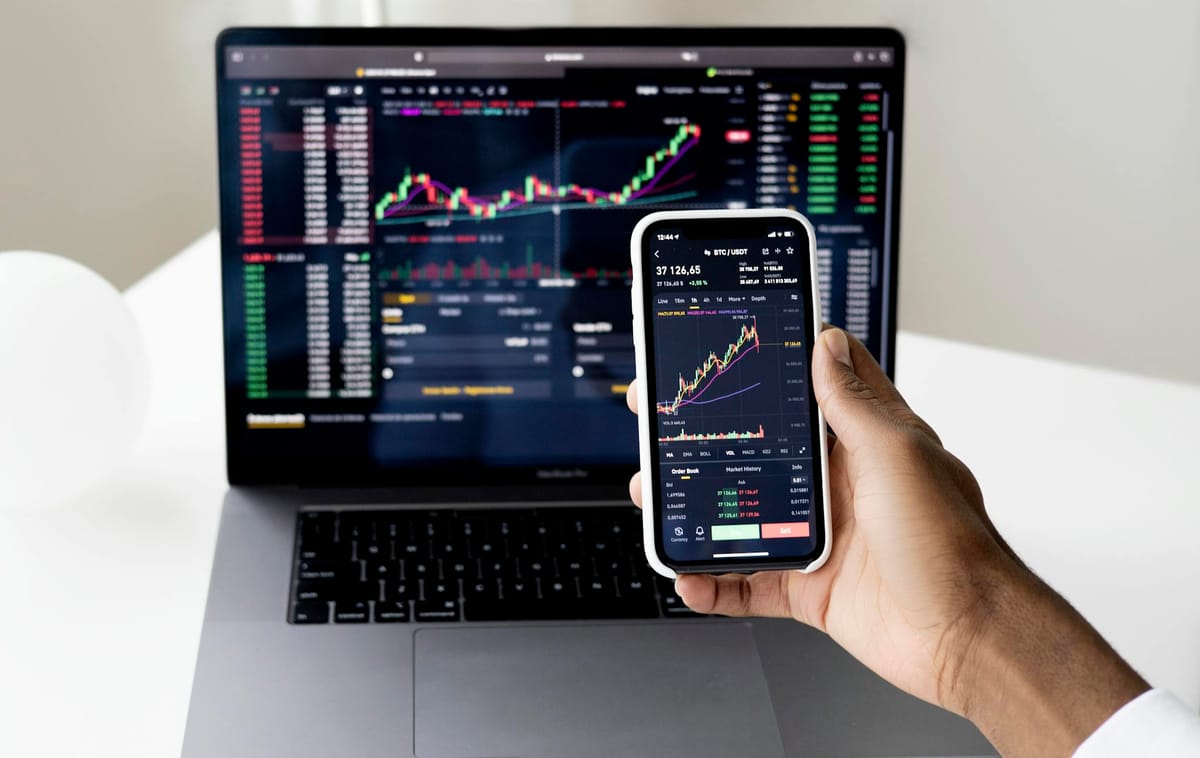
For millennia, gold has been the ultimate symbol of wealth and stability. From ancient pharaohs to modern central banks, its lustrous appeal has transcended empires and economic systems, making it a timeless store of value.
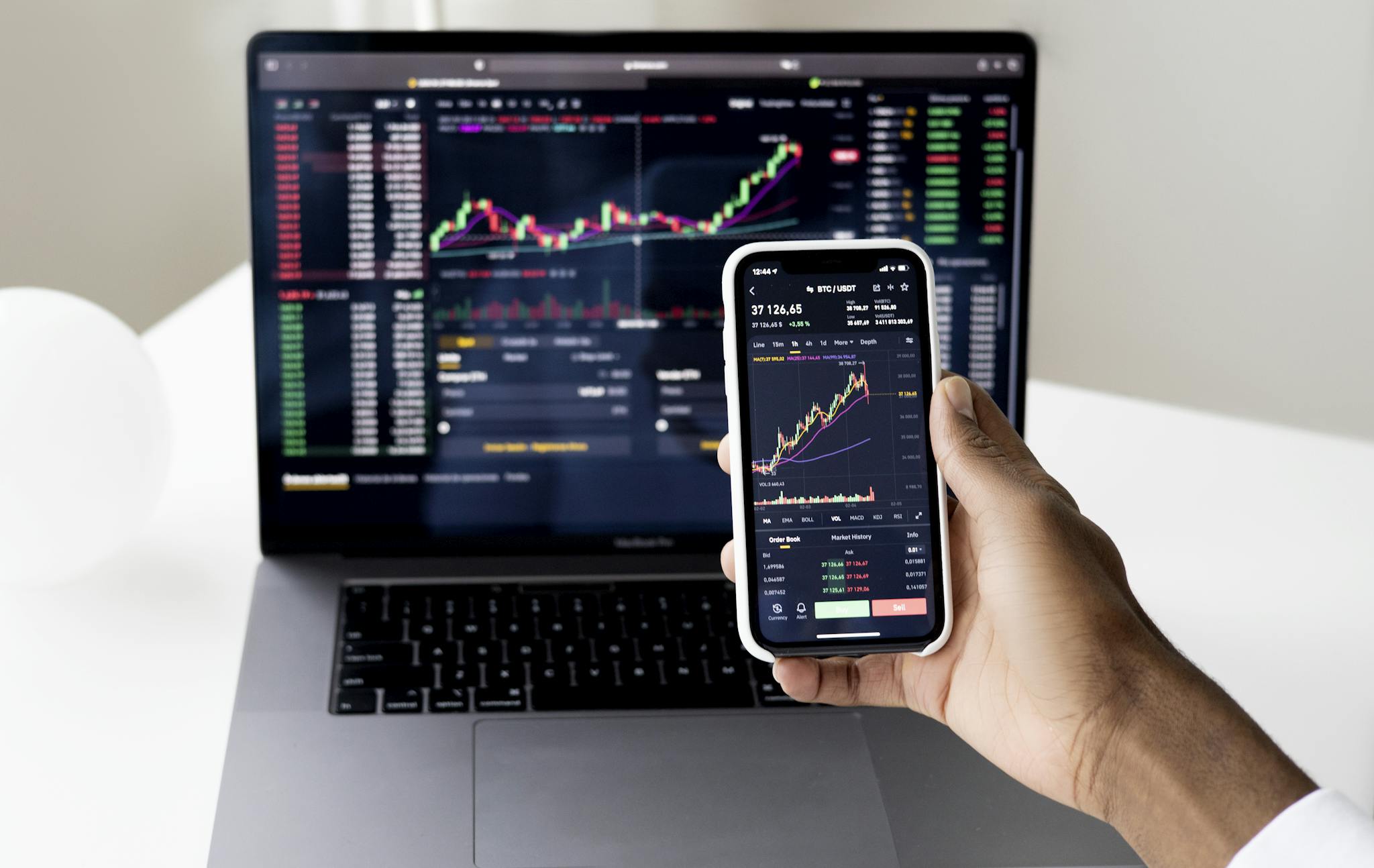
In today's fast-paced digital world, where financial markets can shift in the blink of an eye, the role of this precious metal has become more relevant than ever. Investors are increasingly looking to gold as a bastion of security in an environment marked by persistent inflation and geopolitical unease.
The desire to protect and grow wealth is universal, but the methods for achieving it are constantly evolving. While the image of a vault filled with gold bars is a powerful one, the reality is that accessing this market is now more straightforward and versatile than ever. For the modern investor, the key is not just why you should own gold, but how. The decision to trade gold is an entry into a market shaped by ancient history but driven by thoroughly modern economic forces, offering unique opportunities for portfolio diversification and risk management.
Why Gold Shines in a Modern Portfolio
Gold's primary role in a diversified investment strategy is that of a "safe-haven" asset. Historically, during periods of economic downturn, market volatility, or rising inflation, gold has tended to hold or even increase its value while other assets, like equities, may decline. This inverse relationship is a powerful tool for hedging risk. When investors lose confidence in fiat currencies, which can be devalued by government policies and money printing, they often turn to the tangible, finite security of gold.
This isn't just theory; it's a trend powerfully demonstrated by the actions of central banks. In a significant strategic shift, these institutions have become major buyers, with their collective purchases consistently adding over 1,000 tonnes to global reserves in each of the last few years. This institutional buying, driven by a desire to diversify away from the US dollar and hedge against global instability, provides a strong vote of confidence in gold's long-term value.
How to Gain Exposure to the Gold Market
Gone are the days when owning gold meant finding a secure place to store heavy coins or bars. Today, there are multiple instruments available, each suited to different investment goals and risk appetites.
- Physical Bullion: This is the most traditional method, involving the purchase of physical gold coins and bars from reputable dealers like The Royal Mint. While it provides the ultimate security of direct ownership, it also comes with considerations for secure storage and insurance.
- Gold ETFs: Exchange-Traded Funds (or ETFs for commodities) are one of the most popular ways to invest in gold. These funds, which are traded on stock exchanges like regular shares, hold physical gold in vaults. They offer the benefits of direct gold price exposure combined with the convenience and lower transactional costs of a stock market investment.
- Gold Mining Stocks: Another approach is to invest in the shares of companies that mine and produce gold. While the performance of these stocks is heavily influenced by the price of gold, it is also tied to the company's operational efficiency, management, and profitability. This can lead to returns that outperform the gold price itself, but it also introduces company-specific risks.
- Derivatives (CFDs & Futures): For more experienced traders, derivatives like Contracts for Difference (CFDs) offered by VT Markets and futures contracts allow speculation on gold's price movements without owning the underlying asset. These instruments use leverage, which can amplify both profits and losses, making them suitable for short-term strategies and requiring robust risk management.
The Key Drivers of Gold's Price
To engage with the gold market effectively, it is crucial to understand the macroeconomic factors that influence its price. The primary driver is often monetary policy; gold, which offers no yield, tends to perform well when central bank interest rates are low, as this reduces the opportunity cost of holding it compared to interest-bearing assets like bonds. Furthermore, because gold is priced in US dollars, its value typically has an inverse relationship with the strength of the dollar—a weaker dollar often makes gold cheaper for buyers using other currencies, boosting demand.
The journey into the gold market offers a compelling blend of historical security and modern financial strategy. Whether you are a long-term investor seeking a hedge against inflation or a tactical trader looking to capitalise on market volatility, there is a method to suit your needs. The key is to understand the different avenues available and align your approach with your financial goals. By doing so, you can effectively trade gold and harness its timeless qualities to build a more resilient and diversified investment portfolio.
- Are You a Zen Bettor? 7 Behaviors of a Healthy Gambling Mindset
- Beginners Guide to Understanding Investment Terms and Jargon
- How to Invest in Bonds in India (2025): A Beginner's Step-by-Step Guide
- Financial Support After Divorce: Understanding Alimony
- Optimize Your Operations: Harnessing Parts Pricing Management Software