
Changes in Health Insurance Plans for Senior Citizens: Insurers are Adopting New Policies

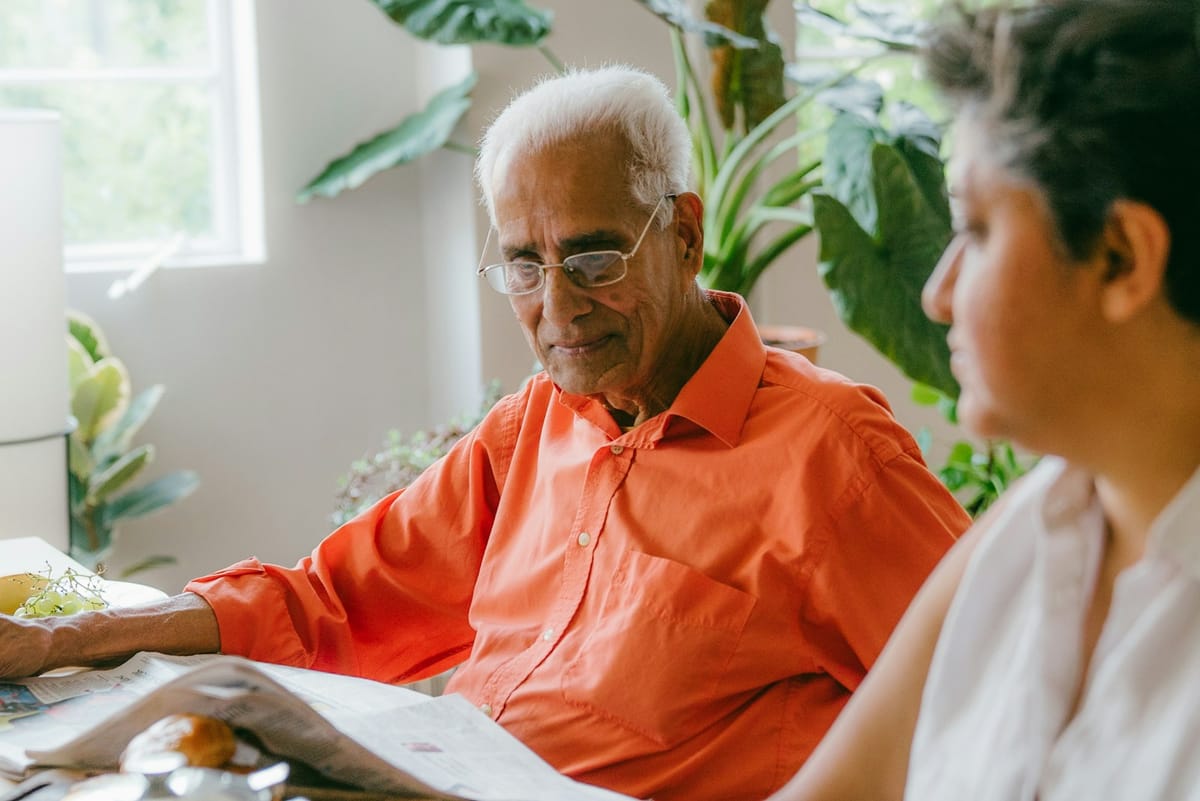

In India, as age increases, the biggest concern often becomes health and the cost of medical treatment. After retirement from a job, income becomes limited, but hospital bills, medicines and test charges can keep rising. In such times, health insurance can become a kind of financial security for senior citizens.
In recent times, insurance companies have started changing their thinking around designing special health insurance plans for senior citizens. These changes in policy are not only on paper, but are also visible in coverage, terms and conditions, premium structure and the way services are delivered.
Therefore, families need to move away from old assumptions, understand the new policies and try to choose suitable medical insurance as per their needs.
Changing Approach to Health Insurance for Senior Citizens
Earlier, it was often assumed that providing health insurance to senior citizens was a very high–risk step for companies. Many plans used to have strict conditions, limited coverage and higher premiums for elderly people. Gradually, insurance companies have begun to understand that senior citizens are not only a risk, but also a responsible and stable customer segment.
Because of this change in thinking, we now see trends such as:
- Trying to understand health needs according to age
- Increasing focus on preventive check-ups and regular monitoring
- Giving importance to the possibility of long-term renewal
Every company may have a different way of doing things. Still, the direction is clear: health insurance plans for senior citizens are being shaped in a more workable way compared to earlier.
Main Highlights of Health Insurance Plans in The New Policies
While adopting new policies, many insurance companies are redesigning their products so that they reflect how senior citizens actually use health insurance. If families understand these common patterns, it becomes a little easier to shortlist the right plan.
In many plans, you can generally see changes such as:
- Attempt to give clearer information about pre-existing diseases
- Emphasis on strengthening and expanding the list of network hospitals
- Effort to make the cashless claim process more transparent and simpler
- Steps toward improving customer support, customer care and online facilities
Even with all this, before considering any plan as the best for yourself, it is essential to read all its terms and limitations thoroughly. Relying only on advertising to declare any plan as the best health insurance can create problems later.
Essential Points For Senior Citizens While Taking Medical Insurance
While choosing medical insurance for senior citizens, making a decision only by looking at the premium can sometimes be incomplete. Many families choose a plan in haste or under emotional pressure and then feel confused at the time of claim.
Some key points that can be helpful to keep in mind are:
- Nature of coverage: Understand calmly what is covered, such as hospitalisation, day-care procedures, coverage for critical illnesses, category of hospital room, etc.
- Co-pay or share in expenses: In many plans, it is decided that a certain percentage of the bill will have to be paid by the customer; it is vital to know this condition in advance.
- Waiting period: Keep a clear eye on how long it takes for coverage to start for pre-existing diseases.
- Network hospitals: It is sensible to check whether reliable hospitals near the home and within the city are in the network or not.
A health insurance plan chosen with these points in mind can become a more balanced support for senior citizens in the long run.
Priorities While Selecting The Right Plan For Senior Citizens
When families search for the best health insurance for their elderly parents or grandparents, looking only at the “cheapest” or “most popular” plan is not enough. The life and daily routine of senior citizens are different, so naturally, their priorities are also different.
While choosing a plan, families can generally pay attention to points such as:
- Ease and distance in reaching the hospital
- Clear and timely communication during the claim process
- Availability of doctors and diagnostic centres nearby
- Facilities like tele-consultation or at-home services are available in some places
Comparing health insurance plans on the basis of these ground-level factors can be helpful. It is considered wise to gather information not only about the terms written on paper, but also about the possible service experience.
Mediclaim and Health Insurance: Different Words, Same Need
In everyday conversations, people often hear terms like mediclaim policy (mediclaim policy) and health insurance together. In general use, both point towards insurance coverage for hospitalisation and treatment expenses.
Even then, senior citizens need to understand that in any mediclaim policy or health insurance:
- Which expenses are included?
- Which conditions and treatments are clearly excluded?
- Whether the claim process is workable, clear and easy to understand
Names may be different, but absolute trust should always be placed in the actual terms and limitations of the policy document.
A Realistic Way to Buy Health Insurance for Senior Citizens
When families think about how to start the process of buying health insurance for their elders, it is crucial that this does not become only a comparison of premiums.
For a balanced approach, families can generally follow steps such as:
- Taking general advice on the senior citizen’s health status from their regular doctor.
- Carefully read the main terms and exclusions of the selected health insurance plans.
- Asking questions directly to the insurance representative or advisor via call or chat to clear doubts.
- Sitting together with all responsible family members to discuss the balance between premium and coverage.
In this way, taking health insurance does not remain just a paperwork formality, but becomes a part of the family’s long-term health planning.
Conclusion
The landscape of health insurance for senior citizens is changing, and insurance companies are trying to understand the needs of elderly people better through new policies. On the other side, the responsibility of families is also significant. Instead of relying only on hearsay, they should understand the terms, limitations and real-world aspects of every medical insurance plan before making a decision.
No plan is automatically the best in itself; the right choice is the one that aligns with a particular family’s health needs, budget and lifestyle. Sensitive policies and well-informed decisions together can make health security stronger and more reliable for senior citizens at this vital stage of life.